Tag Archives: Living

Reflections on World Water Day

Today is World Water Day. It is a reminder of a growing crisis in our lives. With a growing population, access to clean drinking water is far from universal. Agriculture, which provides food, also takes up most of the freshwater that we draw from the environment each day. As the demand for food increases, more and more underground water is being pumped up to deal with the situation. But this also means that we have lower reserves to deal with droughts and that is a cause for concern as climate change becomes more pronounced.  A hidden source of concern is also the virtual import of water. Industrial production of asparagus in Peru, for instance, is drying up wells and leaving small farmers with no access to water. Here is a great infographic on import and export of water through trade in commodities.

This is a crisis which we need to attend to without delay and promote the conservation of water as much as possible by choosing efficient methods of water use such as drip irrigation in production, by thoughtful use in our daily lives and also by eating in season so that undue stress is not places on water resources to grow produce to suit our unreasonable diets.

How Climate Change Caused the Quinoa War

The last time I wrote about quinoa, I had yet to try it. All around me though, there was a buzz around this wonder food. Even then, it was unsettling to know that while there was a huge demand for quinoa abroad, back in Bolivia, the high prices for this crop was forcing consumers to move over to other options including novelties (to them) like soda and white bread. Now, there is a new twist to this story: climate change has lead to warmer temperatures in quinoa growing areas so now more land can be used for this purpose. This has sparked conflicts among farming communities eager to grow more quinoa and take advantage of the high prices they can get.

I did eventually bring home and cook quinoa and we all enjoyed it. But it also brought into focus the troubled future of food where there is increasing pressure on the food system to feed the growing population while climate change forces us to change the way we grow food.

Read the Whole Label for the Whole Truth about Whole Grains

If you thought reading the box cover and checking that your cereal contains whole grains or is ” multi-grain” is enough, think again: the truth actually lies in the ingredient list at the back of the box. This is what we need to read to make sure that whole grains are actually included and if they figure somewhere in the middle of the list, perhaps there isn’t a whole lot of them in the box after all.

“On Wednesday, the Center for Science in the Public Interest will petition the Food and Drug Administration to stop letting manufacturers label their foods “Whole Grain” when they really aren’t and to start putting the percentage of whole grain on the packaging. The government has encouraged Americans to eat…

via Companies Not Telling the Whole Truth About Whole Grains.

Is Small Always Beautiful?

In the midst of all the bad food news: the obesity epidemic, use of hormones and toxic chemicals in the food industry, food deserts, to name a few; reports of flourishing urban gardens are always encouraging. But are they really a long term solution to the problems in our food system?  It can be argued that their small size prevents them from spurring economic growth in the community in a meaningful way and they can do little to solve the problem of global hunger.

As in most issues related to the food world, it is essential not to take an extreme view. Urban gardens are an important step toward revitalizing devastated urban areas like Detroit or New Orleans and in small ways their scale can be ramped up to spread the benefits in the community but they are not a magic wand which we can wave and fix the food system.

In this piece the author argues that it would be more efficient to have a Wal-Mart instead as that would create more jobs and bring economic growth to the area. Before we knock the idea, check out a Wal-Mart store. In my neighborhood, the store stocks wild caught fish, organic produce, milk and eggs and has organic options to regular cereals, granola bars and other basics on the shelves, all at an affordable price.

We cannot all grow our own food and small farms cannot feed everyone. We have also learned our lessons from the consistent growth of huge industrialized farms and the subsequent breakdown of the food system. Can we try for a middle path where local, nutritious produce is available at prices consumers can actually afford?

Look Before You Buy

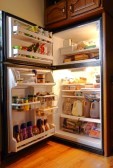
It is the weekend and many of us are going to be grocery shopping for the week, so this might be a good time to reflect on this fact: an average American family throws out an estimated $130-$175 a month in food that is spoiled, or simply not required. This number reflects what we pay at the checkout but think also of the inputs, soil, nutrients, water, labor that went into producing that food, which were taken from the planet and simply destroyed. So, before we rush out to buy more stuff  to stick in to the refrigerator, here is a checklist:

First, make a menu plan for the week. You do not have to plan all the details but get a basic idea, like, Tuesday dinner will be grilled chicken and vegetables and that can be worked into a packed lunch for the next day.

Second, inspect the fridge and pantry to see what ingredients might already be available there.

Third, now make a list of  what you need to get.

Four, do not hit the grocery store without having a meal first.Research shows that we buy more stuff and more unhealthy stuff when we are hungry.

Hopefully, this will lead to less waste and more savings!

Organic /Sustainable/Both?

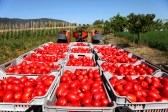
There has been a lot of discussion this week on an article on farms in Mexico growing organic tomatoes to supply the American market. While, the decision to buy organic is understandable, the idea of demanding tomatoes in winter is not such a  good one. Tomatoes are out of season in winter so they have to be shipped in from Mexico: this process, while profitable for the farmers poses sustainability issues.  The climate is conducive to growing tomatoes in winter but it is essentially a dry, desert area which means that, even though the farmers are using drip irrigation methods, water reserves have been almost exhausted. Many consumers feel that if they buy organic, they are doing the right thing by the family they feed and the planet. Unfortunately, these decisions are more complex than they seem at first look.  The cultivation of asparagus in Peru to ship to European markets in winter presents a similar story.

Here is a basic rule to live by: buy in season. There are no tomatoes in winter so choose recipes that do not require them to be produced in an unsustainable way and shipped using fossil fuels just because we think we must have organic tomato salad. It is hard: I know because I am a tomato devotee having a tough time avoiding those luscious piles of redness at the grocery store but  it has to be done to conserve our resources and ease the strain on our planet.

Eat Healthy, Spend Less

How’s that for a new year’s resolution? We knew this time would come: time to put away the cookies and reach for the kale, time to start paying off the holiday bills and trying to stick to a budget. It’s not difficult if we make good choices, such as the helpful tips posted by Chef Marcus Samuelsson . He lists healthy choices like oatmeal and beans which are big on nutrition and easy on the budget. Sometimes, though, we face time constraints and instant oatmeal or a frozen entrée seems to be the only option. In such a case, one can adopt a middle path: beans yes, but canned ones which have been thoroughly rinsed or we could still use the dried beans but cook them in a  pressure cooker. If you have never used a pressure cooker before, please do try one. They cook food in far less time than the stove top so that you save money on utilities as well. And as always, eating fresh produce that is in season means you spend less since the food is not processed and has not been transported over a long distance. And with all that healthy stuff inside us, we will be ready to tackle the tough issues: school lunch, Farm Bill, climate change, food justice, it is a long list!

Dinner in a Box

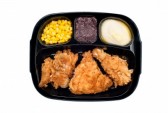
I came across this interesting article which captures the two basic problems in the kitchen today: time and skills. The writer makes the point that for parents getting home from work and then ferrying the kids to various activities, there is very little time to prepare a dinner from scratch with fresh ingredients. Add to that the fact that many of these parents grew up on TV dinners themselves and their culinary skills are basic or even in some cases, lacking and the problem gets more complicated. So, what is the harried parent  to do? Is stopping by a fast food place or heating up a packaged dinner in the microwave once a week  completely off the table? No, I don’t think it should be, not if this happens once a week. Unlike the cooking shows we all love to watch, we do not cook in a beautiful kitchen studio or a sunny deck in some gorgeous countryside with all the time in the world. We cook in a time crunch, while supervising homework and doing chores and we have to clean up afterwards. Opting out once a week so we stay sane and actually enjoy the kids ice-skating or playing soccer and talking to them  is just fine.

No Fruit in Fruit Snacks?

 Fruit snacks often do not contain any fruit at all, they merely deliver sugar from fruits. In other words, they are just the same as candy. This is the rationale behind the Center For Science in the Public Interest (CSPI)’s lawsuit filed against General Mills. So, why are these products filling up shelves at grocery stores? Most people do not read the list of ingredients or nutritional information on packaged products. If it says “FRUIT” in bold letters on the front, this is often accepted at face value. Kids love these snacks, they are easy to pack in lunch boxes and take on the daily round of activities. A child who will turn up their nose at slightly tired looking apple slices will happily eat up a fruit snack. But the truth of the matter is that these are not fruit, but sugar. The underlying issue, though, is one of time. We live our lives at a blistering pace where time for cutting up fresh fruit or reading labels closely just does not exist. It would be better for us all, as people and as a nation, if we stopped to take a breath and rearrange priorities. In the meantime, consumer must take the  responsibility of reading the label and be sure of the contents of the product that is being purchased while  companies need to be honest and accurate in the information they provide.

Tater Tots are Vegetables?

The answer depends on who you ask, apparently. While a legion of Moms replying, “No!”; armies of kids and the U.S. Senate answers with an emphatic “Yes!”. The government’s legislation to restrict the serving of tater tots, lima beans, fries and other starchy foods more than once a week was defeated in the Senate. The move was led, predictably, by representatives from the potato growing states. This story provides some interesting insights: first, the movement for healthy food is weakened by the  internal conflict between producers and consumers, what is good for the plate may prove a challenge for the farmer whose livelihood is affected. Also, consumers can influence the process of policy making too. The fact that a legislation to limit potatoes on school lunches was even introduced is proof of that. We must participate in the  process, at whatever level possible in order to bring about a positive transformation.