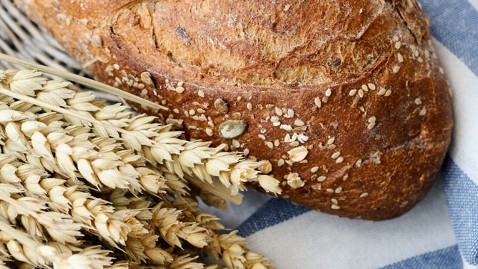
We have all heard it umpteen times: breakfast is the most important meal of the day, it should never be missed. So, first step, make sure to eat breakfast but note that what we eat is equally important. Choices that are high in fiber and healthy proteins are good, sugary carb laden ones are not. Ideally, we could cook ourselves breakfast which might include egg, salmon or cheese as protein options, oatmeal which is fiber rich (and comes in a number of quick coking options nowadays and can be both sweet or savory with vegetables), wheat bread and some fruit. Of course, coffee is essential but without loads of milk and sugar, tea is often a good option too. Now to reality: we are late, or caught in traffic, or the kids have decided to be impossible or we are rushing to catch that flight. Of course ,there is no time to make breakfast and a growling stomach is pushing us to the array of fast food options readily available. Do not despair, a number of healthy options are available , some of them might even give you ideas for cooking breakfast at home!
Category Archives: Living
How to Start Your Day
GM/ Organic/ Conventional : What is a Seedless Watermelon?
It is the peak of watermelon season and some consumers will only buy the seedless variety. So, have you wondered why some watermelons have seeds and some do not (the appearance of the mini/ “personal” watermelons is also fascinating for me but that is a topic for another post!) ? The explanation is here, basically this variety has been developed by a two step process: first, one type of watermelon is treated with a chemical that doubles the number of chromosomes and then it is cross bred with another variety to achieve the final product which contains no seeds. There is no genetic engineering involved but there are changes involved at the chromosomal level. Would this change the way we categorize this fruit? And if not, then why is labeling GM so crucial? An informed discussion is essential.
Posted in Farm Technology, Food Safety, Green, Living, Nutrition
Tagged Farming Technology, food decisions, food safety, Living, nutrition
A Tomato in Any Other color
When ever there are reports on food in the media, the comments following the article are often as interesting as the article itself and reveal what people are really thinking. The news that the unnaturally red and firm tomatoes in the grocery store were developed for looks and lost their taste as a result was not startling news to most of us. Consumers associate redness and firmness with ripeness and that is what producers must provide. Consumers also want tomatoes in their grocery stores at all times of the year and in every corner of the country. For this, tomatoes need to travel and that is possible only with refrigeration. But somehow the assumption is that producer greed drove these developments. Yes, producers will pursue profit but they do listen to market signals. So if we are carrying home bags of big red tomatoes and trying to keep our balance as we wade through snow, then, tasteless tomatoes is what we will get. There is a disconnect from actual food production which creates unreasonable demands. We need to be reminded that in food, as in life, we cannot have it all.
Posted in Farm Technology, Food Policy, Green, Hunger, Living, Nutrition
Tagged Farming Technology, food policy, Green, Hunger, Living, nutrition
Farm Fresh in a Frozen Corner
While I struggle to shield my scraggly tomato plants from the glaring sun and feel daunted by the idea of adding another pot to my miniscule vegetable corner, here is this lovely story of a family that created a farm in a remote corner of Alaska. They had to find ways to do things that had never been done before but they persevered and now have fresh fruits and vegetables, sustainably grown for themselves and their community!
Posted in Farm Technology, Food Security, Green, Living, Nutrition
Tagged Farming Technology, food decisions, food security, Green, Hunger, Living
The Story Behind Frozen Peas
Before I went off to the hospital to have my baby, I showed off to my mother the stock of frozen vegetables in the freezer: peas, beans, greens, this would last us a while. She, more used to picking out what she wanted from the fresh arrivals in her neighborhood market everyday, looked doubtful. By the end of her stay though, she was a convert! With deft handling, those frozen vegetables can make a meal in minutes. So who thought this one up? Clarence Birdseye was the man who made it all possible and this new book by Mark Kurlansky , relates his fascinating story.He traveled the world, sampling different types of food and then found a way to bring them all to the table. And no, frozen is not inferior to fresh from the nutritional perspective because the produce is frozen at its peak. I am looking forward to reading the full story!
And if fresh is more your thing, and you are looking to grow your own garden, here is the story of the White House vegetable garden, among other interesting details.
Posted in Farm Technology, Hunger, Living, Nutrition, Uncategorized, Urban Farming, Urban Garden
Tagged Farming Technology, food decisions, Hunger, Living, nutrition, Urban Garden
Atlantic Food Summit Today
I will be attending the Atlantic Food Summit today, eager to hear the discussion on childhood nutrition, obesity and most important, how to feed 9 billion people sustainably. I will be sharing and posting on all of that in detail and for the first time, will also attempt to tweet as it happens! Please follow @thegreenfork for updates. Martha Stewart and Mario Batali will be participating, among others, so it should be a good thing….
Posted in Climate Change, Farm Technology, Food Justice, Food Policy, Food Safety, Food Security, Green, Hunger, Living, Nutrition, Price Rise, Urban Farming, Urban Garden
Tagged climate change, farm bill, Farming Technology, food decisions, food policy, food safety, food security, Green, Living, nutrition
What the Farmer thinks of Biotechnology
The voices heard most often in the food debate belong on the consumer side of the table: what foods are safe or nutritious or good for kids. We do not often hear the producers’ side of the story. Many people say they do not want to eat food grown with the help of biotechnology. Consider what this Portuguese farmer has to say and consider the question afresh.
Posted in Farm Technology, Food Policy, Food Safety, Food Security, Hunger, Living
Tagged Farming Technology, food decisions, food policy, food safety, food security, Green, Hunger, Living
Reflections on World Water Day
Today is World Water Day. It is a reminder of a growing crisis in our lives. With a growing population, access to clean drinking water is far from universal. Agriculture, which provides food, also takes up most of the freshwater that we draw from the environment each day. As the demand for food increases, more and more underground water is being pumped up to deal with the situation. But this also means that we have lower reserves to deal with droughts and that is a cause for concern as climate change becomes more pronounced. A hidden source of concern is also the virtual import of water. Industrial production of asparagus in Peru, for instance, is drying up wells and leaving small farmers with no access to water. Here is a great infographic on import and export of water through trade in commodities.
This is a crisis which we need to attend to without delay and promote the conservation of water as much as possible by choosing efficient methods of water use such as drip irrigation in production, by thoughtful use in our daily lives and also by eating in season so that undue stress is not places on water resources to grow produce to suit our unreasonable diets.
Posted in Climate Change, Farm Technology, Food Security, Green, Hunger, Living
Tagged climate change, Farming Technology, food policy, food security, Green, Hunger, Living
How Climate Change Caused the Quinoa War
The last time I wrote about quinoa, I had yet to try it. All around me though, there was a buzz around this wonder food. Even then, it was unsettling to know that while there was a huge demand for quinoa abroad, back in Bolivia, the high prices for this crop was forcing consumers to move over to other options including novelties (to them) like soda and white bread. Now, there is a new twist to this story: climate change has lead to warmer temperatures in quinoa growing areas so now more land can be used for this purpose. This has sparked conflicts among farming communities eager to grow more quinoa and take advantage of the high prices they can get.
I did eventually bring home and cook quinoa and we all enjoyed it. But it also brought into focus the troubled future of food where there is increasing pressure on the food system to feed the growing population while climate change forces us to change the way we grow food.
Posted in Climate Change, Food Policy, Food Security, Green, Hunger, Living, Nutrition, Price Rise
Tagged climate change, food policy, food security, Green, Hunger, Living, nutrition, Price Rise
Read the Whole Label for the Whole Truth about Whole Grains
If you thought reading the box cover and checking that your cereal contains whole grains or is ” multi-grain” is enough, think again: the truth actually lies in the ingredient list at the back of the box. This is what we need to read to make sure that whole grains are actually included and if they figure somewhere in the middle of the list, perhaps there isn’t a whole lot of them in the box after all.
“On Wednesday, the Center for Science in the Public Interest will petition the Food and Drug Administration to stop letting manufacturers label their foods “Whole Grain” when they really aren’t and to start putting the percentage of whole grain on the packaging. The government has encouraged Americans to eat…
via Companies Not Telling the Whole Truth About Whole Grains.
Posted in Green, Hunger, Living, Nutrition, Uncategorized