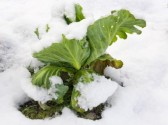
While I struggle to shield my scraggly tomato plants from the glaring sun and feel daunted by the idea of adding another pot to my miniscule vegetable corner, here is this lovely story of a family that created a farm in a remote corner of Alaska. They had to find ways to do things that had never been done before but they persevered and now have fresh fruits and vegetables, sustainably grown for themselves and their community!
Tag Archives: Green
Farm Fresh in a Frozen Corner
Posted in Farm Technology, Food Security, Green, Living, Nutrition
Tagged Farming Technology, food decisions, food security, Green, Hunger, Living
Atlantic Food Summit Today
I will be attending the Atlantic Food Summit today, eager to hear the discussion on childhood nutrition, obesity and most important, how to feed 9 billion people sustainably. I will be sharing and posting on all of that in detail and for the first time, will also attempt to tweet as it happens! Please follow @thegreenfork for updates. Martha Stewart and Mario Batali will be participating, among others, so it should be a good thing….
Posted in Climate Change, Farm Technology, Food Justice, Food Policy, Food Safety, Food Security, Green, Hunger, Living, Nutrition, Price Rise, Urban Farming, Urban Garden
Tagged climate change, farm bill, Farming Technology, food decisions, food policy, food safety, food security, Green, Living, nutrition
Climate Change Not Pizza Needs Our Attention
The furor over pizza being declared a vegetable for the school lunch menu rages on. It was argued that pizza itself was not declared a vegetable but the tomato paste used could qualify as part of the required fruit and vegetable component for a meal. Today a bill has been introduced to block that move. Now, I am all in favor of reforming the school lunch system (the pizzas are, indeed, gross) but I do wish that the same attention could be brought to bear on the issue of climate change and its impact on the food system as well. Unstable and unpredictable weather events, too much rain or none at all, is already affecting the ability to produce food. This issue needs to front and center at Rio+20 next month. More on agriculture in the time of climate change here.
Posted in Climate Change, Food Policy, Food Security, Green, Hunger
Tagged climate change, food policy, food security, Green, Hunger
What the Farmer thinks of Biotechnology
The voices heard most often in the food debate belong on the consumer side of the table: what foods are safe or nutritious or good for kids. We do not often hear the producers’ side of the story. Many people say they do not want to eat food grown with the help of biotechnology. Consider what this Portuguese farmer has to say and consider the question afresh.
Posted in Farm Technology, Food Policy, Food Safety, Food Security, Hunger, Living
Tagged Farming Technology, food decisions, food policy, food safety, food security, Green, Hunger, Living
Reflections on World Water Day
Today is World Water Day. It is a reminder of a growing crisis in our lives. With a growing population, access to clean drinking water is far from universal. Agriculture, which provides food, also takes up most of the freshwater that we draw from the environment each day. As the demand for food increases, more and more underground water is being pumped up to deal with the situation. But this also means that we have lower reserves to deal with droughts and that is a cause for concern as climate change becomes more pronounced. A hidden source of concern is also the virtual import of water. Industrial production of asparagus in Peru, for instance, is drying up wells and leaving small farmers with no access to water. Here is a great infographic on import and export of water through trade in commodities.
This is a crisis which we need to attend to without delay and promote the conservation of water as much as possible by choosing efficient methods of water use such as drip irrigation in production, by thoughtful use in our daily lives and also by eating in season so that undue stress is not places on water resources to grow produce to suit our unreasonable diets.
Posted in Climate Change, Farm Technology, Food Security, Green, Hunger, Living
Tagged climate change, Farming Technology, food policy, food security, Green, Hunger, Living
New Role for Heirloom Seeds
Seed vaults usually conjure up dark images of a post catastrophe future when the planet is devastated and the protected seeds need to be brought into use. But a recent story, showed a different side: an appreciation of the benefits that we can derive from heirloom varieties of seeds today itself. As we prepare to deal with the impact of climate change, these vaults may be sources of varieties that are better able to withstand drought or heavy rain. The emphasis during the last century was increased productivity as the pressure to feed a growing population was intense. At this moment, however, we need to nuance our choices in the presence of constraints. The yield has to increase but this effort needs to be respectful of the environment as well.
Posted in Climate Change, Farm Technology, Food Policy, Food Security, Green, Hunger
Tagged climate change, Farming Technology, food policy, food security, Green, Hunger
How Climate Change Caused the Quinoa War
The last time I wrote about quinoa, I had yet to try it. All around me though, there was a buzz around this wonder food. Even then, it was unsettling to know that while there was a huge demand for quinoa abroad, back in Bolivia, the high prices for this crop was forcing consumers to move over to other options including novelties (to them) like soda and white bread. Now, there is a new twist to this story: climate change has lead to warmer temperatures in quinoa growing areas so now more land can be used for this purpose. This has sparked conflicts among farming communities eager to grow more quinoa and take advantage of the high prices they can get.
I did eventually bring home and cook quinoa and we all enjoyed it. But it also brought into focus the troubled future of food where there is increasing pressure on the food system to feed the growing population while climate change forces us to change the way we grow food.
Posted in Climate Change, Food Policy, Food Security, Green, Hunger, Living, Nutrition, Price Rise
Tagged climate change, food policy, food security, Green, Hunger, Living, nutrition, Price Rise
Read the Whole Label for the Whole Truth about Whole Grains
If you thought reading the box cover and checking that your cereal contains whole grains or is ” multi-grain” is enough, think again: the truth actually lies in the ingredient list at the back of the box. This is what we need to read to make sure that whole grains are actually included and if they figure somewhere in the middle of the list, perhaps there isn’t a whole lot of them in the box after all.
“On Wednesday, the Center for Science in the Public Interest will petition the Food and Drug Administration to stop letting manufacturers label their foods “Whole Grain” when they really aren’t and to start putting the percentage of whole grain on the packaging. The government has encouraged Americans to eat…
via Companies Not Telling the Whole Truth About Whole Grains.
Posted in Green, Hunger, Living, Nutrition, Uncategorized
Is Small Always Beautiful?
In the midst of all the bad food news: the obesity epidemic, use of hormones and toxic chemicals in the food industry, food deserts, to name a few; reports of flourishing urban gardens are always encouraging. But are they really a long term solution to the problems in our food system? It can be argued that their small size prevents them from spurring economic growth in the community in a meaningful way and they can do little to solve the problem of global hunger.
As in most issues related to the food world, it is essential not to take an extreme view. Urban gardens are an important step toward revitalizing devastated urban areas like Detroit or New Orleans and in small ways their scale can be ramped up to spread the benefits in the community but they are not a magic wand which we can wave and fix the food system.
In this piece the author argues that it would be more efficient to have a Wal-Mart instead as that would create more jobs and bring economic growth to the area. Before we knock the idea, check out a Wal-Mart store. In my neighborhood, the store stocks wild caught fish, organic produce, milk and eggs and has organic options to regular cereals, granola bars and other basics on the shelves, all at an affordable price.
We cannot all grow our own food and small farms cannot feed everyone. We have also learned our lessons from the consistent growth of huge industrialized farms and the subsequent breakdown of the food system. Can we try for a middle path where local, nutritious produce is available at prices consumers can actually afford?
Posted in Farm Technology, Food Policy, Food Safety, Food Security, Green, Hunger, Living, Nutrition, Urban Farming, Urban Garden
Tagged food decisions, food policy, food safety, food security, Green, Hunger, Living, nutrition, Urban Garden
Look Before You Buy
It is the weekend and many of us are going to be grocery shopping for the week, so this might be a good time to reflect on this fact: an average American family throws out an estimated $130-$175 a month in food that is spoiled, or simply not required. This number reflects what we pay at the checkout but think also of the inputs, soil, nutrients, water, labor that went into producing that food, which were taken from the planet and simply destroyed. So, before we rush out to buy more stuff to stick in to the refrigerator, here is a checklist:
First, make a menu plan for the week. You do not have to plan all the details but get a basic idea, like, Tuesday dinner will be grilled chicken and vegetables and that can be worked into a packed lunch for the next day.
Second, inspect the fridge and pantry to see what ingredients might already be available there.
Third, now make a list of what you need to get.
Four, do not hit the grocery store without having a meal first.Research shows that we buy more stuff and more unhealthy stuff when we are hungry.
Hopefully, this will lead to less waste and more savings!