Tag Archives: food decisions

Is Small Always Beautiful?

In the midst of all the bad food news: the obesity epidemic, use of hormones and toxic chemicals in the food industry, food deserts, to name a few; reports of flourishing urban gardens are always encouraging. But are they really a long term solution to the problems in our food system?  It can be argued that their small size prevents them from spurring economic growth in the community in a meaningful way and they can do little to solve the problem of global hunger.

As in most issues related to the food world, it is essential not to take an extreme view. Urban gardens are an important step toward revitalizing devastated urban areas like Detroit or New Orleans and in small ways their scale can be ramped up to spread the benefits in the community but they are not a magic wand which we can wave and fix the food system.

In this piece the author argues that it would be more efficient to have a Wal-Mart instead as that would create more jobs and bring economic growth to the area. Before we knock the idea, check out a Wal-Mart store. In my neighborhood, the store stocks wild caught fish, organic produce, milk and eggs and has organic options to regular cereals, granola bars and other basics on the shelves, all at an affordable price.

We cannot all grow our own food and small farms cannot feed everyone. We have also learned our lessons from the consistent growth of huge industrialized farms and the subsequent breakdown of the food system. Can we try for a middle path where local, nutritious produce is available at prices consumers can actually afford?
Look Before You Buy

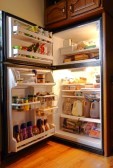
It is the weekend and many of us are going to be grocery shopping for the week, so this might be a good time to reflect on this fact: an average American family throws out an estimated $130-$175 a month in food that is spoiled, or simply not required. This number reflects what we pay at the checkout but think also of the inputs, soil, nutrients, water, labor that went into producing that food, which were taken from the planet and simply destroyed. So, before we rush out to buy more stuff  to stick in to the refrigerator, here is a checklist:

First, make a menu plan for the week. You do not have to plan all the details but get a basic idea, like, Tuesday dinner will be grilled chicken and vegetables and that can be worked into a packed lunch for the next day.

Second, inspect the fridge and pantry to see what ingredients might already be available there.

Third, now make a list of  what you need to get.

Four, do not hit the grocery store without having a meal first.Research shows that we buy more stuff and more unhealthy stuff when we are hungry.

Hopefully, this will lead to less waste and more savings!

Organic /Sustainable/Both?

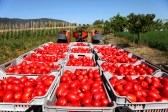
There has been a lot of discussion this week on an article on farms in Mexico growing organic tomatoes to supply the American market. While, the decision to buy organic is understandable, the idea of demanding tomatoes in winter is not such a  good one. Tomatoes are out of season in winter so they have to be shipped in from Mexico: this process, while profitable for the farmers poses sustainability issues.  The climate is conducive to growing tomatoes in winter but it is essentially a dry, desert area which means that, even though the farmers are using drip irrigation methods, water reserves have been almost exhausted. Many consumers feel that if they buy organic, they are doing the right thing by the family they feed and the planet. Unfortunately, these decisions are more complex than they seem at first look.  The cultivation of asparagus in Peru to ship to European markets in winter presents a similar story.

Here is a basic rule to live by: buy in season. There are no tomatoes in winter so choose recipes that do not require them to be produced in an unsustainable way and shipped using fossil fuels just because we think we must have organic tomato salad. It is hard: I know because I am a tomato devotee having a tough time avoiding those luscious piles of redness at the grocery store but  it has to be done to conserve our resources and ease the strain on our planet.

Looking Ahead…..

It has been a hectic few weeks as the year closed, in fact it seemed like a hectic year all throughout! At times like these, harried and rushed we forget to pay attention to the fuel we are using and reach for the sweet treats and turn into the nearest fast food place. So, here is an idea for a resolution: before we eat, let’s stop and think about our choices. Apparently, we are starting to make better food decisions, eating more fruit and yogurt and cutting back on beef. But we still cannot seem to let go of the corn and potatoes, the cheese and sweets so that needs some work.

Thank you for reading and supporting Thought+Food this year, that is what keeps this endeavor going. I will continue to follow the Farm Bill and the school lunch issues more closely and bring you information that is essential to keeping you, your family and the planet healthy. A very Happy New Year! See you in 2012!