
 As I prepared to write this post, it struck me how much things have changed in the past few years. Phrases like urban gardening, local food, sustainable living (even composting!) have become a part of out life. Just looking out of my backyard, I see many more hopeful planters with future tomatoes and lettuce and little pots of herbs on window sills, than I did in the past. Schools are embracing the new trend and this will have important consequences, children who are involved in the growing of vegetables will be less likely to reject them on the dinner plate and less likely to reach out for processed foods. And all this planting and growing is transforming the urban landscape making cities greener and more livable. Urban design and gardening are explored in the Grown in the City website which has useful tools and tips for the urban gardener. A couple of summers ago we were all worrying about tainted tomatoes and avoiding salad, this year we might well be preparing salad with something we grew in a corner of our deck or balcony or backyard: something good came out of it after all.
More on Gardens!
The Farmers of Japan
Following the Farmers of Northern Japan, After the Quake.
An interesting insight into the organic farming community of northern Japan. The farmers were committed to sustainable farming practices and now see their efforts undermined by a disaster which, some feel, was partly born out of the irresponsibility of corporate and government officials.
Posted in Uncategorized
The Gardens of Washington D.C.
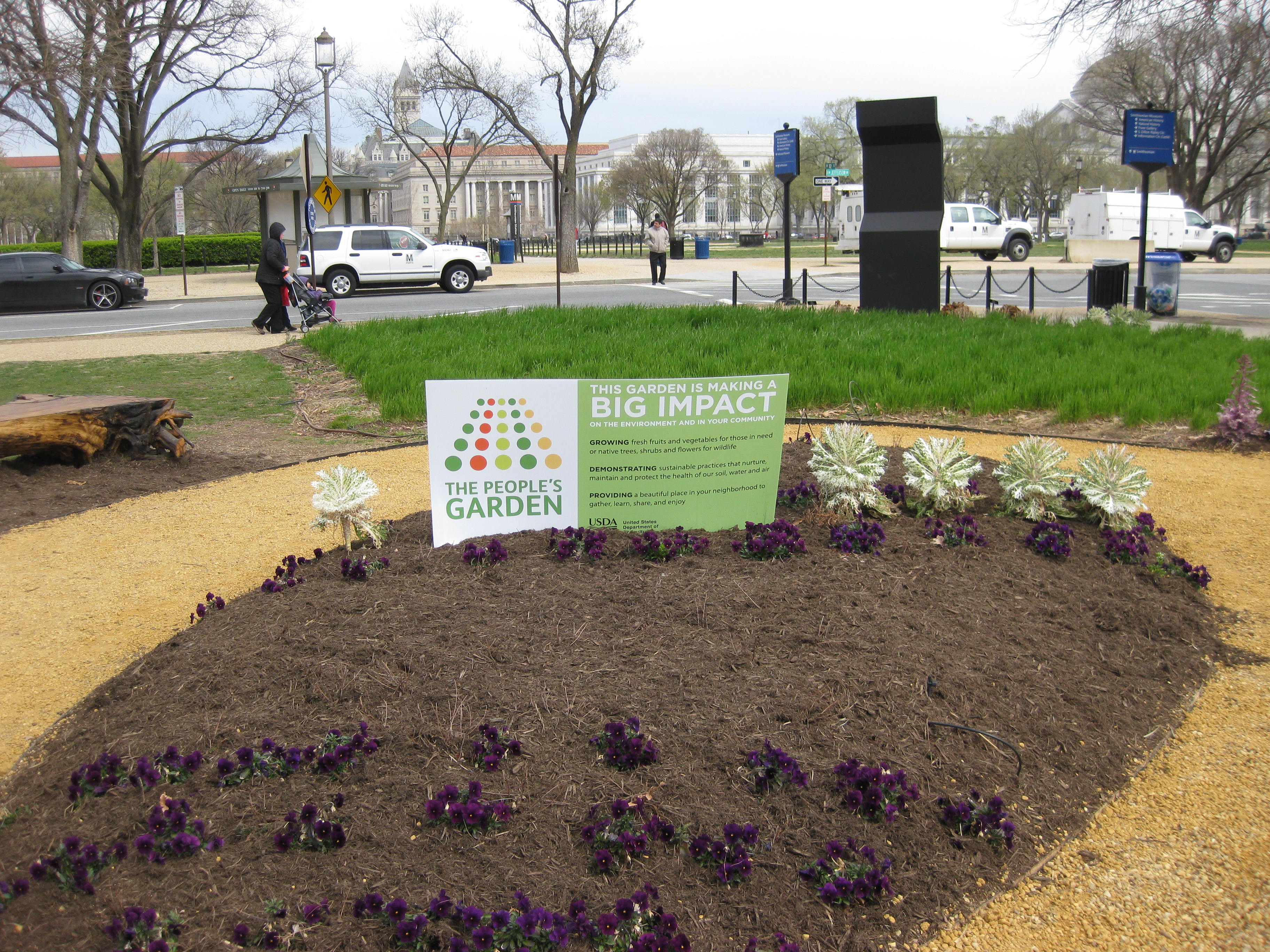
On my way back from enjoying the lovely cherry blossoms, I noticed a change in the surroundings. Yes, the Department of Agriculture building was where it always has been ,but the green area in front of it is now a miniature garden growing ,among other things, winter wheat (below). Lots of people were stopping by and pointing out to their children that this is how their food actually grows so it does seem to be getting people interested in the Department’s work.

Then I came across this story on the D.C. non-profit called Bread in the City which has set up a 30 bed vegetable garden on the rooftop of its newly expanded service center in the city.
Finally, the most famous garden of them all, the White House kitchen garden is the subject of a new children’s book.
Posted in Uncategorized
Farming and Climate Change
Farming in the Time of Climate Catastrophe – The Atlantic.
A pepper farmer’s account of farming while facing changing weather conditions and scarce water. Thoughtful and interesting.
Posted in Food Policy, Food Security, Nutrition
Reflections on the Food Movement
We often associate the food movement with certain terms that we hear a lot in the media: “local”, “organic”, “foodie”, “food deserts” but we rarely stop to think of the big picture. Here is a thoughtful article from Grist.org which places the food movement in context and asks that the various parts keep in mind the larger goals. For me, the goal is to grow food in a way that nurtures people and the planet. Often, the debate gets lost in a forest of either/or options which is misleading. Biotechnology as well as agroecology can be utilized together to boost production , feed people and preserve the planet. Insisting that only one option is the “best” is detrimental to the goal we all want to achieve.
Posted in Food Policy, Food Security, Nutrition
New Front in Food Fight
Chicago school bans some lunches brought from home. Should the school decide what nutritional standards your child has to follow?The school should certainly determine what is offered in the cafeteria but to undermine parental choice is a different matter. Of course, the school stands to make more money from this move and parents have to spend more on their children’s lunch now.
Posted in Food Policy, Nutrition
Farm Subsidies, Radioactive Sushi, Strawberries…

…in the news headlines today.
The GOP proposes cutting farm subsidies to the extent of 20 percent of current spending.
NPR addresses the concerns over tainted seafood from Japan as leaks continue from the Fukushima Dai-chi nuclear plant.
Spring is here and the countdown to strawberry times has begun (at least in my home!) so here is a reminder of the reason why it is worth paying extra for organic strawberries.
Posted in Food Policy, Food Safety
Sunday Reading:Cookbooks
 A lazy Sunday morning often means an indulgent brunch and a long session with a book or newspaper (if they are not already extinct!). After serving out enormous quantities of pancakes, I often like to live the vicarious gourmet life by reading cookbooks or cookbook reviews. Here is my recommendation for today: “Ideas in Food” reviewed at Slate.com. The book argues that the fancy techniques that chefs employ are not impossible in your own kitchen. Sous-vide chicken for lunch?
Posted in Nutrition
Monsanto Sued by Farmers
In a new and interesting development, organic farmers have sued Monsanto over its allegations of patent infringements of seeds. Reported by Grist.com.
Posted in Food Policy, Food Safety
Food Inflation

A visit to the grocery store any day of the week will confirm what is in the news all the time: food prices are rising all over the world and this trend is expected to continue. Normally, farmers in the U.S. could be expected to respond to rising prices by planting more of that particular crop (corn or beans etc) but this year there is little room to do so. That is because farmers have already expanded cotton production in response to rising cotton prices. So, food will cost more and so will clothes. These are obvious impacts. Less apparent but equally important are the changes in package sizing which skew the grocery bill. Producers and manufacturers are making package sizes smaller while continuing to charge the usual prices. A can of tuna might cost the same as ever but look closely and you will notice that there is less tuna in it. The consumer gets hit both ways: either the rising cost gets passed on as higher prices or we pay the same but get less in return. Another reason to follow the dictum: always, always read the label!!
 Thought + Food