
The Scariest Chart About Seafood You’ll See This Year – The Atlantic.
Safe Seafood?
Posted in Food Safety
Most Pesticide-Laden Foods
Posted in Food Safety
Stop! before you eat that tomato….
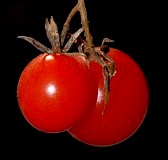 …read this book: “Tomatoland” by Barry Estabrook lifts the veil on the ugly truth behind the juicy tomatoes you may see around you. This is an industry based on the inhuman treatment of migrant workers or illegal immigrants. This situation is made possible by a system which demands that everything be available all the time so you can walk into your grocery store from a snowstorm and buy tomatoes and lettuce. This is not only unnecessary, it has also created a disconnect between people and the planet. Eating in season may be a new mantra but it is actually old wisdom. Our food system must be fair to the people who work in it and the planet that sustains us and we need to reëxamine what we demand from it.
Farms in Crisis
 So it has come to this: small farmers in the U.S. are finding it so difficult to make a living, they have to supplement their income with pick-your-own activities or offering the “farm experience” to clueless urban dwellers or giving it up altogether as in this story.
Our current model of big agri-business dominating the farm sector has been shown to be deeply flawed. Farm workers are poorly treated, crop diversity is decreasing and our diet is skewed. It is time to empower the small farmer, to ensure that we grow more fruits and vegetables and incorporate that in our diet instead of consuming huge amounts of corn-based products. So redirecting subsidies to where they are truly beneficial is essential, let us not continue to pay people to not grow corn or soy.
On a lighter note, I love the pick-your-own programs, its great for the kids to see where their food actually comes from and the berries and apples we had so much fun picking do, in fact, taste sweeter!
How the Subsidy Garden Grows
America’s Subsidy Garden – Politics – Utne Reader.
Fascinating infographic on how the White House kitchen garden would look if it reflected federal subsidies! The first thing that comes to mind is: why do we need so much corn? and then: hey, what happened to the fruits and vegetables?
We need to grow more fruits and vegetables to meet the minimum dietary requirements and we certainly do not need to be helping corn any more. All this money going to corn, soy and tobacco would be much better channeled to fruits and vegetables. Remember that this picture has a hidden layer: our current corn based diet is a factor in the rising rates of obesity, diabetes and high healthcare costs so we pay at the grocery store for bad food choices and then again we pay huge medical bills for consequent illness. Redirecting subsidy payments to fruit and vegetable crops will mean a varied, more healthy diet. So I can put a healthier dinner on the table, avoid visits to the doctor, not have to worry about medical bills and know that we have a more robust food system. It’s not rocket science, but will it become a reality in the 2012 Farm Bill? Maybe you can pose that question when someone comes to ask for your valuable vote.
Latest Food Price Numbers
Posted in Uncategorized
USDA’s new Food Plate
The Food Pyramid is officially retires, here are the latest dietary guidelines from the USDA in their new shape of a plate.
National Archives: the History of Food in the U.S.A
The New York Times previews what promises to be a fascinating exhibit on the history of food at the National Archives. I am particularly intrigued by the revelation that the government used to send out food researchers to explore the world back and bring back findings; among which were Siberian tigers! A must-see if you are visiting Washington D.C. this summer.
Posted in Uncategorized
E Coli Outbreak in Europe
Posted in Food Safety
Facing the Food Challenge with Consensus
 Food prices and shortages are rising around the world and this trend is expected to continue. A broken and defective food system that is wasteful and out of reach for many, will be further stressed by the impact of climate change and rising population. How can we deal with this crisis? As an earlier post pointed out, the world can choose between consensus or conflict to resolve this issue.
It would seem that some countries have already made their choice: China and Saudi Arabia among others are investing in farmland in Africa and now Brazil in order to secure food security for their citizens. This will only serve to enhance conflict. Starving people cannot be expected to respect borders, wherever there is plenty , conflict will follow. It would be in the interest of all to approach this in a way that is thoughtful and just. This problem can be interpreted as an opportunity to fix the broken food system at home and also at the global level. The 2012 farm Bill needs to ensure that citizens at home are not deprived of access to food produces in their own country by others who seek to bypass the market system here. Lester Brown’s article explains how South Korean buyers are establishing direct contacts with farmers and buying up grain before it even reaches the market. Globally, countries and their governments must come together to respond to this challenge in a timely and effective way. The political will to make big changes and go in a different direction is always. We can support positive measures by keeping ourselves informed, making our voice heard by approaching our representatives and making good choices in our daily lives.
Posted in Climate Change, Food Policy, Food Security, Price Rise
Tagged climate change, food policy, food security, Price Rise
 Thought + Food