Category Archives: Farm Technology

Another Green Revolution in India?

9688921-front-view-of-a-farmer-holding-plow

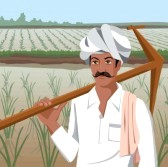
In the 1960s, India was facing  a severe food shortage. The Indian economy was decimated by 200 years of colonial rule and the 3 wars fought after gaining Independence in 1947. The country was struggling to grow enough food to feed its people and did not have the resources to import food either. Finally, it was food aid under the US PL480 program that enabled India to to stave off the threat of starvation for millions.  It was in this situation that India decided to adopt Dr. Norman Borlaug’s newly developed variety of medium wheat and what is known as the Green Revolution got its start. As productivity increased, so did rural incomes and many lives that might have been lost to famine were saved.

Despite the criticisms that have since been directed at this program, the enormous good that it did cannot be denied. This video captures the sense of what the adoption of this technology meant to India. While it highlights Dr. Borlaug’s efforts, what struck me most was the enthusiasm of the farmers for innovation, the openness to technology and the unsettling awareness that the path to adoption of technology today may be more difficult. Fifty years ago the decisions about farming were the domain of the farmer who had the knowledge to make those decisions, today the scenario is fraught with those who trust neither science nor those who have grown our food for years (in the case of Indian family farmers, this would mean over centuries!).

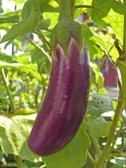
Bangladesh Gets Bt Brinjal

13515918-terung-panjang-brinjal-on-plant

It has been a recurring theme here at Thought+Food that the debates going on about the food system should not be overwhelmed by special interest groups. Instead, there must be room for the farmer to make her voice heard. This piece from a farmer in India who looks on in frustration as Bt Brinjal is being adopted in Bangaladesh while it has been blocked in India by the fear mongering of  anti biotech interests drives home this point. If anyone thinks we can solve our food problems by shutting out the very people who grow the food, then the road to reform and progress will be long one indeed.

The Mystery of the Suddenly Appearing GM Wheat

11312703-closeup-view-of-green-wheat-ears-on-a-white-background

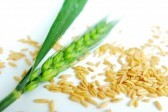
You have been reading about the sudden appearance of GM wheat in a field in Oregon, the ongoing USDA investigation into how it appeared there, the possibility of a boycott of American wheat by countries worried about GM wheat in their food supply, and the possibility of stiff losses to farmers (90% of Oregon wheat is exported). However, being a member of that vast group,  Clueless Urban Consumers, you held back on giving your opinion on social media because you were discovering a whole new world which you knew very little about , and did not feel comfortable asking out to the world  the questions burning in your brain: for instance,” where do baby wheat come from anyway?”; and, “wait, what, there are different kinds of wheat?”

Here is something to start with: wheat is not pollinated by insects, it self pollinates inside the flower while the flower is closed. Why is this important? Because bees or insects flying around cannot carry pollen to other wheat plants and enable  cross pollination. The pollen is heavy and cannot be carried far, anyway. Extra pollen may fall to the ground but is not viable for long so the possibility of pollen in soil getting moved to the field planted with regular wheat is remote.

There are several varieties of wheat and the distinctions are important. The wheat grown in Oregon is soft white winter wheat, bought by Japan and Korea where it is used for noodles and crackers. There is also, “hard red winter wheat, “hard red spring” “hard white wheat’ and keeping all these varieties separate is a special concern of wheat growers and there are associations on every state to ensure that correct procedures are followed.

Now to the incident in question. A farmer in Oregon discovered that some wheat plants in his fields were resistant to glyphosphate and contacted researchers at Oregon state University where it was determined that this was indeed, genetically modified wheat. GM wheat was tested by Monsanto from 1998 to 2005 and last grown in Oregon in 2002. Monsanto then withdrew the application and closed the trial. After this, proper measures should have been taken to deal with the seeds and other materials from the trial. (It is important to note here that this GM wheat had been certified safe by the FDA, but before the deregulatory process could start, there were threats of international boycott, protests etc so GM wheat never came to the market). Also worth noting,   Monsanto is currently testing GM wheat in Hawaii and North Dakota.

So if I have understood all this correctly, some questions arise. The obvious one, how did the GM plants get to this field? No one, wheat growers, scientists, or even those opposed to GM technology else has a plausible explanation of how this wheat could come up, years after testing had stopped in a field  which has been cultivated regularly without any previous occurrence of GM wheat.  GM corn and soy are widely grown in the US so logically there would be a higher probability of these sprouting randomly than wheat.

And that brings us to some notable observations: if I wanted GM technology to vanish overnight or even scare the population enough to push through my agenda of labeling everything in sight, what crop would I pick to create a fuss over? One that had already been the object of controversy which lead to abandonment of the GM version, (and , double bonus, the GM version was being tested by the company that has been made virtually synonymous with biotechnology in agriculture by anti-GM groups), one which forms a huge share of exports and is essential to the livelihood of many people , one where the distinction between varieties is crucial, one that would stir international controversy: wheat is the perfect answer.  Is it possible that this is not a random occurrence?

While we wait for for the USDA to publish its findings, it is important to remember that even if this wheat entered the food chain it is perfectly safe for human and animal consumption. So there is no reason for panic. All this does is stir, once again, the pot of fake science and fear that some people cannot seem to let alone. Let us take a step back and understand this: every time fears are raised and technology is abandoned, farmers and consumers, specially in the developing world, lose options. There is so much noise about GM seeds being expensive, well, look at how expensive the process is: if GM wheat ever comes to market the whole process would have taken decades, and who has the resources to stay the course over that period of time? Not universities or governments or research institutions but, you guessed right, a corporation like Monsanto.

“I Have Measured Out My Life With Coffee Spoons”

15759463-scoop-of-coffee-beans

T.S.Elliot spoke for so many of us when he wrote that, but now, this warm indulgence so crucial in equipping us to fight the cruel world is under threat.  Coffee plants in Central America  face the possibility of being wiped out by a pathogen called Coffee Leaf Rust (Hemileia vastatrix).  This pathogen was earlier responsible for the devastation of coffee plantations in Ceylon.  Is there a way to avoid this? Yes, it can be dealt with by using a synthetic fungicide called Triazaline. The problem? Coffee drinkers in the US and other prosperous countries want their coffee to be organic. The organic fungicide that is used by farmers who grow organic coffee is copper based, much less effective and the run off from the plants poses environmental problems. Most of the organic coffee is grown by smallholder farmers who would lose their organic certification if they used the synthetic fungicide. However, if they had the option of using the synthetic fungicide  solely in order to deal with this crisis, they could save their crop (coffee is grown from seeds which could be saved from the current year’s crop) and be re-certified after 3 years. But faced with the consistent insistence on the organic label, these smallholder farmers may have to lose their livelihood.

How important is the “organic” label anyway? We already know the organic fungicide is not a good option. For farmers to receive certification, they have to pay stiff fees which puts a huge burden on them. Unless the coffee is shade grown, it means forest cover has been cut down to make way for farms (even organic ones) which is not environmentally optimal. Often, middlemen buy from the poor, smallholder farmers paying them a fraction of what this coffee will eventually earn in a market driven by the drinking tastes of consumers who remain unaware of the ground reality of those who produce the coffee.

Colombian coffee growers with the help of their government were able to eradicate leaf rust. Could these results be replicated elsewhere? I am still trying to research what methods were used there. Accessible and detailed information on the leaf rust issue is here at Applied Mythology. Solutions are available, the outcome is not inevitable. In this as in so many problems with the food system today, two things are essential: first, the voice of the farmer has to be heard on par with the consumer; second, a pragmatic perspective that brings us a good outcome for all and not just a few privileged people.  Otherwise those coffee spoons might just be left there, unused…

What do Farmers Really do?

9502380-family-of-farmers-sowing-seeds-mixed-with-fertilizer-on-their-land

One of the startling features of the ongoing debate on the food system is how skewed the conversation is in the direction of the consumer. We hear a lot about food safety concerns, the right to know what is in the food, how it should be grown so that health concerns are addressed; but how many times do we hear from the people who are actually growing the food and who can provide a reality check on demands that sometimes seem to originate in the realm of fantasy. ( This rant is prompted by a tweet I saw where a consumer demanding safe food reportedly said that all farmers wanted was to dump some Roundup Ready on their fields and put their feet up!!).

For all those marching and demonstrating to make the rules about what food should be grown how many have actually worked on a farm? It is not fun and it is nothing similar to raising tomatoes in the back yard or even working on an allotment. Consider this information from the Cherokee Gothic blog:

“In 2011, the unemployment rate in North Carolina was quite high at 10.51%, which meant that there were more than 489,000 American workers in the state actively looking for a job. Of that group, only 268 were asked to be referred to manual labor jobs with the  North Carolina Growers Association (NCGA).  And of those 268, only 163 showed up for work.  This gets us to striking finding #2.  Of the Americans that did start work, only 7 finished the season.”

So even when faced with no other means of making money, people were unwilling to do farm work or did not have the stamina to actually cope with it. Or, consider that crops were left to rot in the fields in the aftermath of anti-immigration measures passed in Georgia and Alabama because there was no labor available for the harvest.

The reality is farm work is  demanding and exhausting and that there is a scarcity of people who want to work in the farm sector and the challenge is to make this an attractive area for younger people to choose to make a livelihood. Let us take a moment to reflect on what goes into growing the carrot that we reject because it has a little bit sticking out; or the corn fields that are burnt instead of feeding desperately hungry people simply because they were GM corn.

Book Review: “Gaining Ground”


book cover


When I first heard of “Gaining Ground” by Forrest Pritchard, I was intrigued because Smith Meadows is in my area and I had heard good things about it. But I approached the book with some reservation, wondering what a book about  farming, of which I have a limited understanding, would be like. While I try to learn and write about how our food is being grown, everyday life on a farm is unfamiliar to me. It is, however, precisely, this kind of reader that would be fascinated by this book. Forrest Pritchard, who came to farming after graduating in English and Geography from William and Mary, takes us on an absorbing journey  as he attempts to revive the family farm.

Smith Meadows farm is located in Virginia, in an area known as the Apple Capital of the world, lush with fruits and apple blossoms. Over the course of the book, the suburbs and farmers markets come in closer and city lights are not as distant as before. This change is also reflected in the way the farm works; in the efforts Mr. Pritchard has to make to find a butcher, a trade going extinct with the spread of large scale meat processing; and sometimes in the cluelessness of some city people about the way their food comes to the table. One of the really interesting aspects of the book is the authors’ experience with farmers’ markets: why markets in some shiny new suburbs (carved out from erstwhile farmland!) saw hardly any interest while some more urban spots actively sought out the grass fed beef and free range eggs (among other products) that the author offered, and thus opened the way to making the farm viable. Partly, the answer to that question lies in the value we put on our food, the understanding that cheap food has an invisible price attached that we do not pay at the checkout but  in other ways:  inadequate nutrition, poor health and environmental outcomes, and rising medical costs.

As we read about the beginner farmer’s  learning experiences raising hens, cows, pigs, sheep and cultivating pasture in an organic and sustainable way; we come to appreciate the effort and care that goes into raising our food. There are passages here that you might want to share with your kids: the goat who wandered off, the little pigs who wake up late, stretch lazily, and then go out to the specific area they have designated as their “bathroom”, and of course, the episode involving chicken poop, lots of it!

In the noisy debate over issues in the food system, we seldom hear first hand the voice of the farmer and this book brings us that experience. The choices for a farmer and the constraints faced by family farms become clear  as does their tenacity and love for their way of life. While he may not (yet) have written the Great American Novel that he describes himself as planning, he has given us an account of his attempt to grow food in a sustainable , thoughtful way that kept me  absorbed throughout.

“Gaining Ground” from Lyons Press comes to bookstores May 21st.

Bananas for Mother’s Day

mother

Flowers are traditional, yes, but this Mother’s Day I am thinking about bananas. Specifically, the plan to grow iron fortified bananas in India.This plan, predictably, is being met with resistance in some quarters. But, first, some background: India is the world’s largest producer of  bananas and almost all of it is consumed domestically. India also has a very high incidence of anemia. The India Human Development Report 2011 noted that approximately 55-35% of women in the age group 15-49 were anemic and this number had increased  by 3% from 1998-99.  Anemia in pregnant women increases the possibility of pre-term or low birth rate babies. It also implies less than optimal development in utero which means that the physical and mental development of  a new generation is impaired and the cycle of poor health outcomes continues. We also need to consider  a new variable in all of this: climate change.  It is predicted that climate change will have critical impact on maternal and new born health from adverse environmental consequences. It would make sense, therefore, to give special attention to improving maternal health before the worst of the crisis is here.

Given this scenario it makes sense that the Indian government has approved a project for the transfer of technology from Australia to grow iron and nutrient fortified bananas. Bananas, grown locally and easily available, would be an ideal way to meet the nutrient needs of women suffering from anemia. And  where a busy mom pressed for time may not have time to prepare an iron-rich dish separately, she can always grab a banana on the go.

It has, however, been met, with resistance from groups that claim that the “indigenous biodiversity” which is supposedly sufficient for India’s nutritional needs will be “destroyed” and suspect a plot by dark forces to take over the banana domain in the country which is the biggest producer of the fruit. Well, if the indigenous bounty of nature would have been sufficient, we would not be facing these alarming  health statistics. Clearly, women’s diets still remain nutrient deficient and this needs to be addressed. The indigenous variety does not have the same iron content as the fortified one, of course, and none of these critics seem to have suggested any options for either increasing access to indigenous bananas or meeting the nutrient needs in any other way.

To understand the threat to biodiversity, I started researching banana cultivation and found that this is done by planting stem cuttings, so the possibility of threat to the native species is hard to discern. The other fear that this will result in “monocultures” is not a significant one because the most widely eaten banana on the planet is already the Cavendish, the kind familiar to us from grocery stores. In addition , some local varieties are grown in several countries but one variety of banana seems to be dominant already. The technique to fortify bananas already exists and we can speculate that the time taken to bring the fruit to the market would not be that long, so that some improvement in health outcomes might be expected despite the expected adverse impact of climate change in the coming years.

Along with the adoption of fortified bananas,efforts should also be made to revive indigenous iron rich crops which have been overshadowed in recent years.This is not an either/or situation, we can and should take advantage of all the solutions available to us. Certainly we need to protect biodiversity but we cannot overlook the health of mothers and children which will determine how strong our next generation will be. An interesting example in this regard is that of Uganda: faced with banana wilt which was destroying crops and could have resulted in the abandoning of banana cultivation, scientists have developed a variety with a sweet pepper gene which stays can combat banana wilt. Better a GM banana than none at all in a country which prides itself on its banana tradition.

Just like biotechnology, the celebration of Mother’s Day in India in recent years is sometimes criticized  as a western import, alien to indigenous traditions. So it is fitting that my wish for all the moms on this Mother’s Day is that India does grow fortified bananas and we have healthier moms and babies in the future.

Antibiotic Use in Organic Apple and Pear Cultivation

appear

Apple and pear trees are apparently susceptible to an infection called fire blight which is capable of devastating entire orchards. To combat this, organic farms received an exemption which allowed them to use antibiotics (Streptomycin and Oxytetracycline) to combat the disease. This issue is in the news now, because the exemption is set to expire in 2014. It was hoped that by now other methods would have become available to treat this problem so that antibiotics would no longer be needed. While some progress has been made, more work is required before the use of antibiotics can be completely discontinued.

So, given the controversy over labeling and the consumers’ “right to know” it is a little disconcerting to find that this organic produce has no label disclosing antibiotic use.  Even more interesting was the rationale offered for the use of antibiotics: they apparently leave little residue, not enough to be harmful to consumers, anyway. The same logic offered for conventional produce would be vilified as a conspiracy to “poison” consumers.

Does this mean we should support the continued use of antibiotics? Absolutely not. In fact, the article mentions that in addition to antibiotics better cultivation practices are being used to keep the healthy and this is the way to go:make use of all the knowledge and techniques that are available to achieve the common good.

Is the “Rice Revolution” for Real?

rice

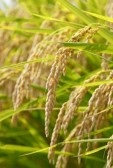
This week, the media was full of reports about a “rice revolution ” in India. The trail started from the article in the Guardian, which claimed that record yields of rice had been achieved in the state of Bihar, in India, without GM or herbicides. It reported how 5 farmers decided to use the SRI system( System of Rice Intensification) and came up with unprecedented yields of 22 tonnes per hectare. Nobel Prize winning economist Prof. Stiglitz is quoted as saying this type of inspiring organic farming should be studied and replicated elsewhere.

So, first I needed to understand what SRI involves: it is a set of techniques for managing soil , water, planting conditions to increase yield ,which was first noted in Madagascar by a priest and then tried out elsewhere as well. Improving agroecological practices is crucial for the food system but can this be replicated effectively to solve the system’s inherent problems? This question is best answered by looking at the report which gives details of this effort: the farmers start off with hybrid seeds from Bayer and Syngenta, and plants in the SRI as well as regular fields receive doses of inorganic fertilizer so this rice crop cannot actually be termed “organic”. The experiment provides pesticides to the regular crop but uses cono weeding to control pests in the SRI field. More labor is required in the SRI field for careful application of water but less water is actually required for the process, also fewer seedlings are planted in the SRI field and so less labor is required on that account. So what we have a is conventional seeds with good farming practices giving encouraging results. This is not unknown, to the contrary, many advocates have been recommending such a  mix of methods rather than depending for the sake of ideology on any one particular option.

Whether the results from Bihar can be replicated over time, countries and scale to have a real impact remains to be seen and one can hope that it will be useful specially for smallholder farmers. But long before that, the waters have been muddied by people pushing agendas. It seems strange that a year’s effort from five fields is touted as proof that biotechnology is useless but years of tests and safe consumption of biotech crops are dismissed as lies. For fixing a global food system breaking down under the strain of feeding a growing population and quite unprepared to withstand the shocks of climate change, we need the calm  of the middle not the chaos of the extreme and we owe it to the planet and to our children  to make that happen.

The Race to Grab Farmland

land

“But land is land, and it’s safer than the stocks and bonds of Wall Street swindlers.” —- Eugene O’Neill, “Long Day’s  Journey Into Night

Today, though, land is not safe anymore as the increasing population, volatility of food prices and leveling off of yield is leading to a global rush to grab farmland before it runs out. Investors, agribusinesses and governments  are buying up land mostly in less developed areas where the population can be easily displaced as land records are not easily available. Some of these may be communal lands , held in trust over centuries so when they are taken over, the community is displaced and scattered and deprived of a livelihood.

Recent reports show that approximately 203 million acres of land has been acquired and the top land grabbers include the UK, the USA, China and Saudi Arabia. In Cambodia, about 55% of  the arable land is now under the control of agribusiness and foreign investors.  The investors who make these deals often make promises about providing employment to local workers or introducing new technology but these are seldom fulfilled. And what  about the actual crop that is grown? Chances are it would not be the traditional crop but one that is destined solely for export. In one case, Saudi Arabia decided to grow sorghum in Sudan, not for the Sudanese market where it is a food item, but for consumption by camels in their own country. As the decisions regarding crop choices changes, this might take food choices out of the market and exacerbate the problem of hunger in already vulnerable populations.

Last year’s drought in the US brought home the importance of water, a fact that will only become more evident as we deal with the impact of climate change. Land grabs also put this resource out of the public domain and into the hands of private investors. This presents a daunting challenge for poor rural populations depending on farming for a living. In future, they might have to pay extra for drinking and irrigation water.

How did we get here? Perhaps the first step was the morphing of agriculture into big business, the disconnect between profit and the provision of food on the table, and the second was the sad collusion of corrupt governments and predatory investors.This trend toward land grabs poses a grave challenge to food and livelihood security in the countries and communities where it occurs and also impacts what people elsewhere can put on their plates and how much they have to pay for it.