Tag Archives: nutrition

Food Fraud!

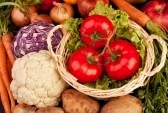
This is a pet peeve of mine: the theory that it is a smart idea to get kids to eat vegetables by  “hiding”/”disguising” them. So you “sneak in” as the proponents like to say, a serving of vegetables into the mac and cheese or other dishes that kids love and they will eat it without objection. I always want to ask this question: what happens when the kid leaves for college or gets a job (assuming the economy improves!)? Will he/she gravitate to the salad bar at the cafeteria or buy a nice steamer with their first pay check? No, because they will not have learned to enjoy veggies and make them a part of their diet.

So,what do we do about the daily veggie war? I would remind you of the old rule of parenting: kids do what they see not what they are told. So if your kids see you enjoying vegetables at your meal they will follow as well. Also, kids will eat it if it is tasty. Vegetables cook fast and there are plenty of recipes out there to suit the needs of all cooks. Splashing on some olive oil, salt and pepper and putting a tray of broccoli heads in the oven  does not take much longer than spinning  it in the microwave but it tastes much better.

I wrote this after learning that Kraft is adding a portion of freeze dried cauliflower to its instant mac and cheese and marketing it as a “healthy” option. First, what nutritional value do you think the kids will get from freeze dried anything? Second, in the time it takes to reconstitute the mac and cheese from the box, you could roast up some cauliflower heads and get more taste and nutritional value. Third, it is up to us parents to decide what is healthy, do not rely on what the box says.

Instant mac and cheese is a great option for crazy days when we seem to be rushing from work to school to ballet to swimming without pausing to breathe, but pushing veggies is still something we need to do.
Five Foods for Home Gardens


Five Great Foods to Grow in Urban Gardens. Great ideas and gorgeous pictures!

What is Local?

There is a general feeling that eating local is more “green”. Farmer’s markets are getting more business and more people are experimenting with vegetable gardens. But here is what a new study shows: the biggest impact on the global climate comes from growing food, not transporting it. If you want to make a good environmental choice, it would be more effective to focus on going meatless for some meals as meat production is a huge contributor to global warming.

So, does this mean we should stop reading the produce labels? Not really. The answer lies in analyzing the intent behind eating locally. One, it provides an outlet for local produce and contributes to local farmer’s incomes. Second, it is fresh and has not been treated in any way to last out the journey to your plate. Third, eating local, means also eating in the season. Instead of eating the same group of fruits and vegetables throughout the year (as they are readily available at the supermarket), we start eating a more varied diet as we are pushed to try different options from the local produce basket. This is a healthier way to eat and more importantly, it helps to conserve biodiversity by ensuring that a variety of produce is grown. If I only buy bananas, apples, broccoli and carrots throughout the year then that is what farmers will grow. By eating locally, I might try something new like a different type of squash or berry and these varieties will not be ignored and lost.

Now, about the meat question: both grass-fed and conventional beef fail badly on the green meter. Also, we know that a diet rich in fruits, vegetables and whole grain is better than one based on meat. So making a change towards a less meat-centric diet is beneficial to people and the planet. We can always start with baby steps: incorporate some beans that, like meat, are high in protein and also have big flavors, or start a new-veggie-a-week plan and discover some great flavors at your farmer’s market!

Eating locally= healthier diet+healthier planet so continue to read those labels and make good choices!

Local Food Sourcing By Chipotle

Chipotle is often the option of choice for those of us who need a quick meal without having to sacrifice quality. The beans are mostly organic, the meat is largely naturally raised and now that it is planning to double its use of locally sourced food, it should get a big boost in business. This is not “local” as in farmer’s market “local”  (“local” here is a 350 miles limit); but I would take it any day over a distorted food system where we insist on importing out of season produce over huge distances  just so we can satisfy our demand for asparagus in the dead of winter.We hear businesses say profit constraints prevent them from making choices that are better for the planet so when we see an initiative like this, we need to support it.

Food Safety and Nutrition Allocations Slashed

The House of Representatives passed a Republican-led bill to slash spending on food safety and nutrition programs. Details, here, also include the list of 19 Republican who voted against the Bill along with the Democrats.

Urban Gardens Everywhere

Are you out on this nice weekend spending time with your tomato seedlings and enjoying your flowers? You are not alone! Urban gardens are everywhere and here are two inspiring stories from Minneapolis and New Orleans.

How the Subsidy Garden Grows

America’s Subsidy Garden – Politics – Utne Reader.

Fascinating infographic on how the White House kitchen garden would look if it reflected federal subsidies! The first thing that comes to mind is: why do we need so much corn? and then: hey, what happened to the fruits and vegetables?

We need to grow more fruits and vegetables to meet the minimum dietary requirements and we certainly do not need to be helping corn any more. All this money going to corn, soy and tobacco would be much better channeled to fruits and vegetables. Remember that this picture has a hidden layer: our current corn based diet is a factor in the rising rates of obesity, diabetes and high healthcare costs so we pay at the grocery store for bad food choices and then again we pay huge medical bills for consequent illness. Redirecting subsidy payments to fruit and vegetable crops will mean a varied, more healthy diet. So I can put a healthier dinner on the table, avoid visits to the doctor, not have to worry about medical bills and know that we have a more robust food system. It’s not rocket science, but will it become a reality in the 2012 Farm Bill? Maybe you can pose that question when someone comes to ask for your valuable vote.

USDA’s new Food Plate

The Food Pyramid is officially retires, here are the latest dietary guidelines from the USDA in their new shape of a plate.

Rice: Some Good News

An interesting infographic on improved varieties of rice which offers some potential to make a dent in world hunger and also prepare for the impact of climate change on agriculture.

The GM Debate

For those who might be interested in  informing themselves on the GM debate, a scientific perspective that addresses concerns on biosafety, biodiversity, and intellectual property among other things.

The GM debate is about more than biosafety – SciDev.Net.