Tag Archives: Farming Technology

Fair Standards for Animals Raised for Food

 ID-100220813

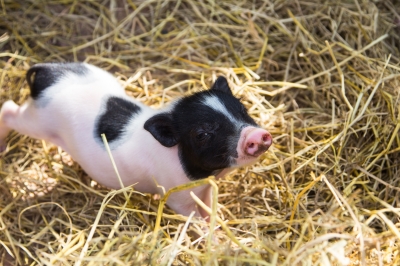
 When Chipotle made its pork shortage announcement recently, I was somewhat skeptical. How low were the standards that Chipotle was concerned about?One could be led to think that this was some horrible factory farm scenario gone wrong. But, in fact, it was simply that Chipotle objected to two standard and widely accepted practices used by farmers: farrowing crates which enable them to ensure the safety of newborn pigs and slatted floors which are critical to maintaining cleanliness. NPR spoke to a farmer whose standards meet and extend those of Chipotle  but who was skeptical of this demand from Chipotle. He pointed out that while a small farm with fewer pigs could allow them to roam outside, this is not practical in a large scale operation. And the demand for pork, not juts from a particular fast food chain but from the market as a whole is huge. To meet this, large scale operations are essential. While no one wants a dilution in the care of animals, the demands often come from the consumer side. Most of us, to be perfectly honest, have little or no clue about the raising of pigs.

Yes, as this farmer describes it, we want to think about pigs being raised outdoors because we have a mental image of a gorgeous , sunny summer day. Th reality of a winter day in Minnesota, as she relates might mean broken legs and frost bite for the animals. The writer also takes issue with the vilification of farmers for brand enhancement. Perhaps it is not so much about the pork as it is about nudging consumers toward other options:  Chipotle recently debuted a tofu item in an effort to keep costs down. Maybe the concern over animal welfare would make us pick that instead. And for those who would like their usual options but worry about how green it is, there may soon be an app for that!

(Image Courtesy: freedigitalphotos.net)

Recipe for a National Food Policy

ID-100150843

 Recently, The Washington Post featured a piece calling for a national food policy. It started off with the statement that food impacts every sector of the economy and the lives of every person in the country and therefore it is essential that it be regulated by a national policy. The first idea we can agree with, regarding the second though, many may have reservations. The writers then go on to assert that the food system has caused “incalculable” harm to the health of people and the environment, and such harm would warrant waging a war in response, if it were the act of a foreign power. Yes, there us much that needs a strong effort: from the obesity crisis to hunger in our communities; fair working conditions for farm workers to the challenge of growing food while facing climate disruption but we could surely agree on ways to find solutions in a productive way without call to hostilities.
And exactly how would the national food policy tackle the situation (first step, of course, would be to nominate a Food Czar!)? The recommended objectives are:

  • to assure access to healthful food for all: no disagreement there although how the access would be ensured remains to be determined
  • support public health and environmental objectives: ditto
  • climate resilience: how? not discussed. Would the application of biotechnology be considered an option, for example?
  • care for livestock: agreed
  • “our food supply is free of toxic bacteria, chemicals and drugs” ,which looks very much like “organic or nothing”
  • “Food marketing sets children up for healthy lifestyles by instilling in them a habit of eating real food”: some confusion here, children acquire eating habits in the context of home and family. As a parent, I cannot imagine letting a corporation teach my children what to eat, that is my responsibility and most parents would agree.
  • Production and marketing are transparent and the food industry pays a fair wage: while laudable, this refers to the food processing stage, what about farmers and farm workers?
  • To increase carbon sequestration on farmland and reduce the food system’s carbon footprint: what changes or innovations this might require in agriculture are not discussed.

The first thing that stands out is the consumer centric nature of the demands.  It makes demands about how workers should be paid, livestock should be cared for and how agriculture should respond to climate change. What, one wonders, would those who grow food actually think about this? How would they define a food policy?

And there we come to a core question: what is a “food policy” anyway? The piece states that “an agriculture policy is not the same as a food policy” but then neither is a food consumption policy a true food policy. If we want to chart out the path ahead for the food system, we need to take into account both the growers and the consumers of food, and reconcile these interests instead of pitting them against each other. A long argument is made on how and why the government needs to put a policy in place but it mainly comes down to dismantling the “agricultural-industrial” complex. That is a good objective but that alone cannot fix the food system.

No industry can flourish if there is no demand for their products and that demand comes from the consumers. If there is a demand for mashed potatoes in a box, then that is what we will find on the shelves. Of course we should be boiling and mashing our own potatoes, but for that, deep rooted lifestyle changes are required, changes which cannot simply be mandated by policy, and changes which, if we are honest, we are rather reluctant to make. Getting back from work only to have to ferry the kids to classes and practice games or even to have to go to a second job to make ends meet leaves little time for cooking. We need a discussion and changes in why we are living this way and how we can make changes. You can mandate whatever food policy you like but the basic question is how do I find the time to cook? And I say this from the experience of someone who does cook everyday. It is hard, and it is exhausting, it is nothing like the cooking shows on TV, that is for sure. So blaming the food industry for all our problems is  not sufficient for change.

This gap in perceptions was highlighted at another event convened by the New York Times to discuss the future of food which initially had no farmer or rancher involved in the discussions! Once this was rectified, a participating farmer was able to urge the panelists, to involve farmers in the discussion on food, a sad disconnect! But it was encouraging to learn that there was at least an awareness of the need to work together. The food movement  seems to have fallen into an us vs the food companies pattern, but in reality any successful food movement would need to include everyone: those who grow, process and sell, and consume food. Yes, food impacts everyone and everything and it is precisely for that reason that there are no easy answers here, the solutions are complex and everyone has to make an effort.

Finally, a national food policy will find it increasingly constrained by outside factors. Climate disruption is impacting agriculture everywhere and lack of food is expected to spark social unrest and large scale migration of people from affected areas. The struggle for resources could lead to actual wars, not just ones that can be debated in newspaper columns. An effective food policy will build a path forward which is able to respond to climate change and achieve goals of conservation and food production for the planet’s inhabitants at the same time. So it might be tempting to reach for avocados for that healthy lunch salad but it is also important to remember that it embodies a cost in terms of depleting water resources in another country that has to be accounted for as we set policy goals.

(Image Courtesy: freedigitalphotos.net)

#Farming Friday 25: Drought in California is Changing the Way Farmers Work

ID-10032860

The drought in California has thrown into focus a harsh reality: climate change is going to disrupt the way we grow our food. Unprecedented events like this not only hit jobs and incomes hard, they also compel us to look at the tough questions: how are we going to deal with this challenge as we go into the next growing season? Sometimes that brings out interesting solutions: farmers are trying not new experimental varieties of grasses that require less water for seeding pastures, or conserving waste water that was earlier and allowed to go back to the environment; for farming, to ease pressure on ground water.


(Image Courtesy: freedigitalphotos.net)

The Problem With Solutions to “Feed the World”

ID-10049128

It seems like everywhere on social media there are pieces on meetings and  conferences to discuss the challenge of “feeding the world”. There are lots of lists of solutions, assertions that this innovative project from Country Y is the perfect answer, it just needs to be replicated across the globe and then objections that this would completely destroy the food heritage of Country Z and should be abandoned. At first, it appears to be just a muddle, but the debate is intense and sometimes severely combative: scientific research is targeted and destroyed and websites dedicated to scientific communication are hacked and prevented from functioning.

Perhaps it might be helpful to take a closer look at the question to begin with: at issue here is the intent to tackle global hunger and malnutrition, with population still rising and arable land in short supply, and all this in a time of probably the biggest challenge humans have faced: climate change. Often the aspects of the food system which get the most prominence in the media are those of individual consumers: so consumers in one part of the world might vote to ban GMO crops but how do we justify this to parents who are watching their children struggle and suffer from Vitamin A deficiency but have no access to Golden Rice. The food system debate touches everyone so solutions have to be evaluated in that context as well.

Sometimes we hear the argument that our ancestors did this/did not do that so we should continue to follow that path or return to it. Certainly we can carry forward the knowledge of the past but the future is not a replication of what we have lived through and needs different approaches. Small farms existed before the growth of agribusinesses but that should not preculde the idea that big farms as well as small ones can participate together in creating and being a part of a better food system. Faced with altered growing conditions, can we adopt ways to conserve water in rice farming as well a technique that can help plants process excess salt and flourish? There is no reason why we cannot do both, other than the desire to maintain entrenched positions.

Another source of controversy arises from viewing climate change as solely related to the environment, and the effort to nurture and conserve nature is in opposition to agriculture. Worsening air quality hurts our health but also impacts the productivity of our crops.  So cleaner air brings even more benefits than we might have considered earlier. Agriculture does not have to mean the end of habitats and indigenous plants. Conserving nature can work with the goal of sustaining people as these successful projects show.

That so many lists of solutions are available is great but we cannot stick to one or the other set of answers. The clock is running against us on climate change and we need to use the best tools possible.

(Image Courtesy: freedigitalphotos.net)

About Those Cows….

ID-10018523

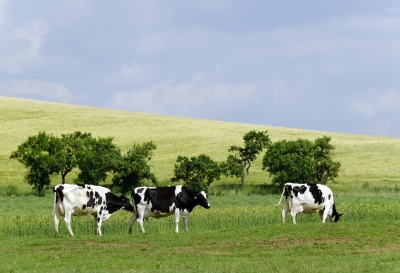
When work , laundry, dishes are all piling up and you want to run away from it all, the best place to go is Pinterest. I know because I have been there a lot. Scrolling down the crafts feed is bewildering:  it is simply bursting with ideas for rustic, barn weddings: lots of burlap, distressed wood, tables laid out on emerald green fields with a picturesque cow or a duck adding an idyllic note. This gorgeous visual has very little to do with an actual, working farm as one writer pointed out here, but neither is it true, as the piece describes, that in the real world cows are raised in “warehouses” and are a source of pollution. In the comments, those who actually raise cows contributed facts to the discussion, most of which would be new to that many among us, far removed as we are from the realities of food production.

It is common to read about cows contributing to global warming by releasing methane into the atmosphere. It is argued that if we stopped raising cows for food, this would be a greener choice. But if we just stopped eating beef what would happen to the cows? Well, they would live long and prosper, (check out the calculations in this excellent blog) leading to exploding cow populations which would be standing there chewing, polluting and watching barn weddings and wondering what this was all about. The only way to do away with the methane problem would be to actually kill all the cows.

The other great debate centers around the question : “what is an authentic cow?” What is the difference between a cow grown on GMO feed and one that is not? Surely, there must be a difference, the former cannot be the same as the cows our ancestors raised. But, in fact, they are exactly the same: the animals are the same,the milk and the meat are the same. This study looked at livestock productivity and health from public sources for 100 billion animals, starting at 1983 before the introduction of GMO feed in 1996,  through to 2011 which had high levels of GMO feed in use; and found no negative effects on livestock health or humans who consumed animal products.

And still, today, social media is bursting with people who are concerned because not enough tests have been done over a long enough period of time. “Facts do not cease to exist because they are ignored.” Neither, sadly, do dishes, no matter how beguiling the alternative!

(Image Courtesy: freedigitalphotos.net)


#Farming Friday 23: Urban Farming for Food Security

ID-100217989


First, Hurricane Katrina destroyed the local food supply system in New Orleans and then the BP oil spill wiped out the fishing industry. The fishermen were mostly from the Vietnamese community which had a history of urban farming to meet the local demand for vegetables for Vietnamese cooking.  In an interesting convergence, the Vietnamese fishermen drew on this practice of urban farming to offer locally grown vegetables to area residents still awaiting the return of grocery stores destroyed by Katrina; a solution which worked towards food and income security.

Conservation and Agriculture in the Age of Climate Change

ID-100241680

When I first started learning and writing about food issues, it was the food landscape that was in my mind: the growing of food, its journey to markets and stores and, finally, to our homes and the table. As climate change moves into the center of our lives and we realize its enormous impact  on our environment, I am starting to look at the landscape in a different way, one where the need for conservation and food production exist in the same landscape. The challenge, I am learning, is to balance the need for food with the need for conservation at a time of climate uncertainty.

We depend on the land and water sources for food but no farm land has important benefits too. Woodlands, grassy areas, slow down the movement of pathogens and pesticides into the rivers and lakes, are providing a sort of natural filter for our water supply. Preserving natural habitat on farms provides a living area for pests that serve as predators for primary pests that attack crops and thus reduce the need for pesticide to control agricultural pests. There is a perception that  food production and biodiversity conservation are opposed goals, the solution actually lies in achieving the best balance we can between these ends.

What is crucial is recognition that there are competing uses of land and we have to find the optimum strategy to achieve biodiversity conservation, agriculture, urban development and carbon storage. I wanted to share in this post some examples of  an approach that looks at the entire landscape and handles several variables at once:  improving soil health, conserving habitats, lowering emissions, and ensuring food and livelihood security.

So what tools can we use, what are the strategies to follow? There are examples from different countries which have all looked at this issue.In essence, the idea centers around a more considered and thoughtful use of the landscape and its resources. Different policies give varying results and solutions that arise in response to local circumstances are likelier to succeed. In an example from Argentina , market led agricultural expansion resulted in the  deforestation of 8,000 hectares in one area but also led to a fall in grazing intensity. This meant a better recovery of wildlife habitat in the remaining area which is not being cultivated. In another part of the same region, government support for farms to provide incomes and increase food production has negatively impacted the local fauna and resulted in forest degradation because more people have moved in but the food production continues to be low.

In Kenya’s Kikuyu escarpment area, old forest growth, tea plantation, rare bird habitat, subsistence agriculture and dairy farming all coexist. Recognizing the negative impact of increasing population growth in the area on these activities, resources, habitat etc, a landscape approach was adopted which took into account food security, reliance on the environment for food, fuel and fodder and rural poverty. Having recognized these needs, the people of the community integrated agriculture, fish farming, confined livestock management, agroforestry into their farming practices. This helped them to work toward their goals of confining farming sprawl, maintaining soil quality and nurturing bird and wildlife habitat in the farmed areas.  To achieve the goal of livelihood security, this program is taking advantage of “landscape labeling” where products are able to command a price premium not only because of their quality but because they also meet green criteria such as maintaining wildlife habitats, clean water, carbon sequestration etc.

In California, urban expansion and drought have significantly reduced the wetlands where migrating birds would collect before moving further south. A conservation project initiated here involved a reverse auction, which paid farmers to flood their rice farms and create a wetland refuge for the migrating birds. The existing practice of flooding rice fields post harvest was used to engineer a “pop up habitat” for the birds and integrated conservation goals into a farming landscape.

And, in a really wonderful “when life gives you lemons” story, farmers in Bangladesh decided to grow pumpkins on the sandbars left by receding flood waters which destroyed their fields. After the floods, holes were dug in the bare islands of sand and silt and pumpkin seeds were planted. Farmers had a rich harvest and could store some of it to supplement income later in the year as well. In the dry winter season, the greenery that had sprung up as a result of sandbar cropping supported birds, insects and other fauna.

It is encouraging to know that innovative solutions exist, bringing them into practice is  a matter of working together on a bigger picture, we need to zoom out!

(Image courtesy:freedigitalphotos.net)

Preparing the Food System for Climate Change

mg

Sometimes just looking at my Twitter feed can be overwhelming: people calling attention to melting glaciers, deforestation, endangered animals, submerging islands, and then some  people saying this is untrue; and then even more squabbles on what to do about it all. But take a step back and block out the noise and you might find that there is something that can be done, by all of us. That is the key actually. Each of us needs to take action. Governments have their responsibility but are often slow to move and cannot carry this through alone. There is much for us to do at our level.  I liked this article because it sets out concrete action options for agriculture.

First, we should not sit back and  “accept” climate change”. Taking steps to reduce emissions in agriculture, switching to climate resistant crops are among the possible solutions for growers to implement. However, there is a huge shortfall in the investment needed for research to come up with such solutions, that could be an area for governments as well as private individuals and corporations to make an impact. For consumers, we need to reduce food waste: buy according to a plan so nothing is thrown away unused, put smaller portions on the plate, work with restaurants to channel extra food to shelters or food banks. A big help would be to reduce meat consumption as well.

Even before we take these steps, a basic truth must be acknowledged: people, animals, crops and the environment they exist in succeed or fail in dealing with climate change as a unit. Conservation and  preservation activities have to be in tandem with ensuring that people are able to maintain a decent existence. Where the goals are unclear or weighed excessively in one direction, conflicts will inevitably erupt. So instead of bringing all our resources to bear on meeting the challenge of climate change, we might be stuck in the trap of dealing with escalating social unrest as the struggle to control and access  scarce resources becomes sharper and are thus, left vulnerable to climate shocks.

Ideological positions will have to be tempered with pragmatic solutions. All those wars on social media, passing judgement on the best/only way to grow/consume food, demonizing the other side, trying to score points, that is such an absurd waste of time and energy. It will take all options to walk through this storm; so technology and better farm practices, urban farming and ranches all will be part of the solution and throwing one or the other out is the equivalent of scoring an own goal.

The time to act is now, find a way to help and  try to make it happen. And yes, this means going out and actually putting an effort into a program or an initiative; putting up a cute profile picture or retweeting to make a hashtag trend is not enough. We know what we must do and there are no excuses for not doing it.


A Third Way To Describe How Food Is Grown?


vegg

When I first started reading about the food system and following discussions on social media, it took no time at all to realize that there was a sharp divide in this world: “organic” to this side, “conventional” to the other and judging by the shrillness of the debate, never the twain would meet. But I am now learning that each of these worlds has their own variations, differences of opinion and intense debate. In the organic community there is a debate over the use of  natural substances as opposed to synthetic ones. While some organic farmers see the utility of substances which may not have been used historically but are useful today, others remain firm on excluding synthetic substances.

There are no magical powers attached to one or the other set of substances: an organic pesticide like rotenone can be more hazardous that synthetic pesticides and arsenic or mercury which are poisonous occur in nature.  Part of this attachment to “natural” is fueled, I suspect by all those memes of scary syringes stuck in produce by people in lab coats.  While the Internet may helpfully suggest a mix of salt, vinegar and dish soap as gentler, more natural alternative to other synthetic weed killers, this study showed that both are as gentle and as effective, it all depends on how they are used.

A lot of misinformation floats around about both types of farming: while there have vocal demands for labeling foods containing GMOs , not many consumers realize that organic producers  are not overseen by the USDA and in fact, the organic certification comes from the National Organic Standards Board (how many of us had heard of this?). This Board is now protesting any involvement by the USDA.

And while we are all getting worked up about which system is better or “purer”, climate change is casting its shadow over our crops, even grape juice , it turns out, will not go untouched! Let us focus on the main thing here: the planet is at a point of crisis. It is time to focus on adopting all those tools and practices that can help us ensure that the growing population can be fed in a way that exerts the minimum pressure on the environment. Can we agree to stop arguing about just two systems and widen our approach to adopt practices that would keep production growing with demand in a way that is compatible with the new climate reality we are living?


#Farming Friday 16: The Reason for Big Farms

farm1

How often have we heard the lament that smaller farms are being swallowed by bigger ones and family farmers are being pushed out? It sounds really familiar, right? But the reality is that 98% of US farms are owned by families, says this farmer. And the reality also is that farming is hard work, and increasing the size of operations brings much needed benefits to the farmer. Does the farmer ever get to go on a vacation, for example? It is difficult : “Cows, chickens and pigs aren’t like a house cat, you can’t just fill up their food bowl and tell them you’ll see them tomorrow.” But bigger operations which would enable farmers to hire help might give them a much needed break. The idea of a small, idyllic farm with adorable little chickens  and piglets running around is lovely but the real world may require other solutions.