Five Great Foods to Grow in Urban Gardens. Great ideas and gorgeous pictures!

Five Great Foods to Grow in Urban Gardens. Great ideas and gorgeous pictures!
There is a general feeling that eating local is more “green”. Farmer’s markets are getting more business and more people are experimenting with vegetable gardens. But here is what a new study shows: the biggest impact on the global climate comes from growing food, not transporting it. If you want to make a good environmental choice, it would be more effective to focus on going meatless for some meals as meat production is a huge contributor to global warming.
So, does this mean we should stop reading the produce labels? Not really. The answer lies in analyzing the intent behind eating locally. One, it provides an outlet for local produce and contributes to local farmer’s incomes. Second, it is fresh and has not been treated in any way to last out the journey to your plate. Third, eating local, means also eating in the season. Instead of eating the same group of fruits and vegetables throughout the year (as they are readily available at the supermarket), we start eating a more varied diet as we are pushed to try different options from the local produce basket. This is a healthier way to eat and more importantly, it helps to conserve biodiversity by ensuring that a variety of produce is grown. If I only buy bananas, apples, broccoli and carrots throughout the year then that is what farmers will grow. By eating locally, I might try something new like a different type of squash or berry and these varieties will not be ignored and lost.
Now, about the meat question: both grass-fed and conventional beef fail badly on the green meter. Also, we know that a diet rich in fruits, vegetables and whole grain is better than one based on meat. So making a change towards a less meat-centric diet is beneficial to people and the planet. We can always start with baby steps: incorporate some beans that, like meat, are high in protein and also have big flavors, or start a new-veggie-a-week plan and discover some great flavors at your farmer’s market!
Eating locally= healthier diet+healthier planet so continue to read those labels and make good choices!
 Chipotle is often the option of choice for those of us who need a quick meal without having to sacrifice quality. The beans are mostly organic, the meat is largely naturally raised and now that it is planning to double its use of locally sourced food, it should get a big boost in business. This is not “local” as in farmer’s market “local” (“local” here is a 350 miles limit); but I would take it any day over a distorted food system where we insist on importing out of season produce over huge distances just so we can satisfy our demand for asparagus in the dead of winter.We hear businesses say profit constraints prevent them from making choices that are better for the planet so when we see an initiative like this, we need to support it.
 Mark Kurlansky answers this question in his children’s book World Without Fish. Clear and simple presentation of facts and great graphics make this a wonderful read for kids. The cover itself with its lone diver all alone in the depths of the ocean sends a strong message.Please do check it out.
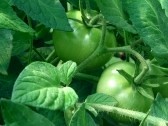 Are you out on this nice weekend spending time with your tomato seedlings and enjoying your flowers? You are not alone! Urban gardens are everywhere and here are two inspiring stories from Minneapolis and New Orleans.
is where the revolution starts: whether your concern is hunger, climate change, poverty or economic growth, agriculture provides a starting point. Very informative piece: Green Economy | Farming First.
Posted in Food Policy, Food Safety, Food Security, Green, Nutrition
Mark Bittman describes how urban gardens are breathing new life into Detroit. And a perspective on the potential of urban gardens in Africa. Earlier, I posted on vertical gardens in fancy flats in England, turns out, in Nairobi, enterprising women have been growing crops in stacks of maize bags to feed their families!
The Washington Post interviews the writer of a book on the gardening life of the founding fathers and how this side of their personality influenced their more public persona.
 We are just now waking up to a new world, one in which conflicts will revolve around food: this is Lester Brown’s analysis in Foreign Policy magazine this month. The causes for this crisis are not just the old ones of rising population, lack of access, scarce resources, or vagaries of the weather which constrain supply and cause food inflation. To these, we now have to add, the diversion of grain from food to fuel, disappearing aquifers and desertification, leading to countries becoming unable to feed their people and of course, the elephant in the room, climate change. It is estimated that for a 1 degree Celsius rise in temperature, crop yields drop by 10 percent. In another article, Frederick Kaufman addresses the role of speculation in fueling the rise in food prices.
How is the world reacting to this? In the post World War II era, the world was rebuilt by coöperation, through the setting up of institutions (UN, FAO, World Bank, IMF) that were supposed to work in the interest of the common good. Today, however, countries are intent solely on pursuing their parochial interests. Some like China and Saudi Arabia are leasing or buying land in Africa for their own projects. (That this land is essential for the food security of the people living there is of obvious concern). South Korea is setting up a system of buying grain directly from US farmers so a part of the produce would be diverted before it ever enters the market.
This is not about the future, this war is here and now: we have to address the issue of climate change in a constructive way, we have to restructure our food world: from industrial size operations to mid and small size farms, from destructive techniques to nurturing agroecology practices, and personally to a healthier (smaller portions, less meat, more seasonal) diet.
Posted in Food Policy, Food Security, Green, Price Rise
Tagged food policy, food security, Green, Price Rise
 The Economist reports on a study on climate change and agricultural yields. The bad news: climate change is having a negative impact on yields. The good news: the change may be smaller than expected. The article is here.
And then there is this interesting news about the spread of drought insurance in Kenya, a country likely to experience stress from climate change. Perhaps this new development will put them in a better position to face the challenges of climate change. What is most interesting is the explosive expansion of cell phone use which made this development possible.
 Thought + Food